From the archive: AI commentary I wrote in late 2024 and early 2025
Governing AI While Charting a Path for Our Collective Future

The world stands at a crossroads. As artificial intelligence reshapes industries and society, the global community faces a pivotal question: how can we ensure that this transformative technology serves humanity rather than threatens it? The United Nations’ report, “Governing AI for Humanity,” provides a framework for addressing this challenge. Informed by my experience leading advanced AI initiatives and building scalable systems, I see this report as both an ambitious roadmap and a critical inflection point in global technology governance.
Why the World Needs AI Governance Now
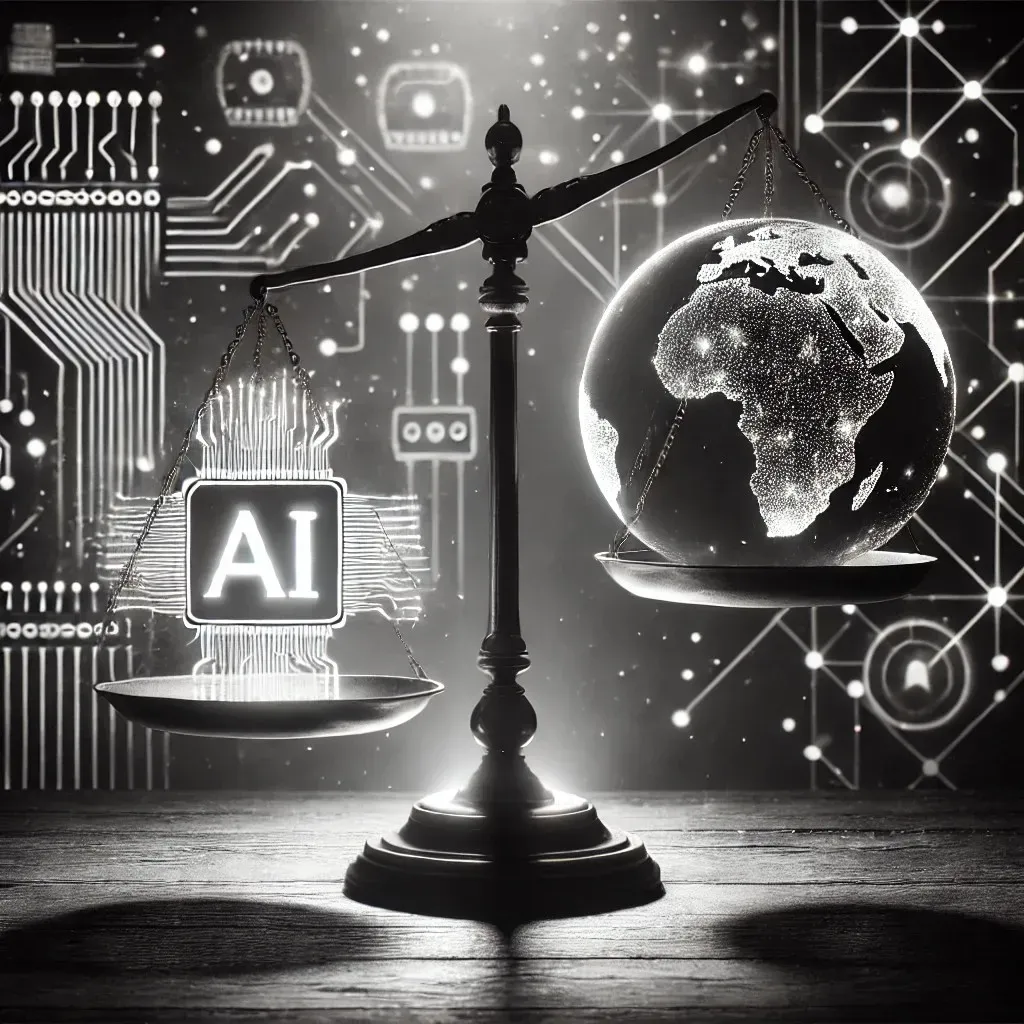
Artificial intelligence is no longer confined to labs or niche applications. It is embedded in healthcare, finance, communication, and governance, influencing decisions at scales unprecedented in human history. Yet, this ubiquity is both a strength and a vulnerability. AI systems, while powerful, are opaque. Their biases can reinforce inequalities, their capabilities can erode privacy, and their concentration within a few corporations can deepen global power asymmetries.
The stark reality is that only a fraction of the world’s nations—just seven out of 193 UN member states—are actively shaping AI’s trajectory. This leaves the vast majority of humanity as passive recipients of its benefits and risks. Without inclusive governance, AI could exacerbate socio-economic divides and undermine democratic systems. The UN’s call for action comes at a critical moment when leadership, collaboration, and foresight are needed to bridge this governance gap.
What Makes These Recommendations Unique
The report outlines seven recommendations, each designed to address key dimensions of AI governance. These proposals are interconnected, forming a cohesive strategy to navigate the complexities of this technological era. Drawing from my own experiences in building AI systems with rigorous standards for reliability and inclusivity, I find these recommendations not just relevant but essential.
The Need for Knowledge and Transparency
Central to the UN’s vision is the creation of an independent international scientific panel. This body would demystify AI by producing unbiased reports on its capabilities and risks. Transparency is foundational for any governance framework, and such a panel could ensure that decision-makers worldwide are equipped with accurate and actionable knowledge.
In leading the development of AI-powered systems at Twilio, I have witnessed how misinformation—or even the absence of clear information—can paralyze progress. With annual reports addressing emerging threats and trends, this panel could empower nations to act proactively rather than reactively.
Building Bridges Through Standards and Capacity
As AI systems proliferate, interoperability becomes vital. The proposed AI Standards Exchange could ensure that technologies developed in one region align with ethical principles and technical norms accepted elsewhere. Standards foster trust. They enable collaboration between nations, companies, and civil society, mitigating risks while maximizing AI’s potential.

Beyond standards, capacity-building is a cornerstone of equitable AI governance. The UN’s recommendation to create a Global AI Capacity Development Network recognizes the disparity in access to AI tools and knowledge. Supporting researchers and entrepreneurs in underserved regions isn’t just ethical—it’s practical. Local innovation often leads to solutions tailored to regional challenges, amplifying AI’s utility for addressing global issues like climate change and healthcare disparities.
The Social Fabric of Data
Data is the lifeblood of AI. The UN’s proposal for a Global AI Data Framework underscores the importance of ethical data stewardship. Without guidelines, the misuse of data could harm communities and erode trust in AI systems. As someone who has architected scalable solutions for managing vast datasets, I understand the tension between leveraging data for innovation and protecting user privacy. A standardized global approach would ensure that AI operates with accountability and integrity.
Funding as a Catalyst
No governance framework can succeed without resources. The Global AI Fund aims to provide financial support for nations to develop AI responsibly. While funding alone isn’t a solution, it can catalyze efforts, especially in regions that have been excluded from AI’s development so far. This aligns with my belief that inclusivity is not a passive ideal but an active pursuit, requiring investment and effort.
A Centralized Hub for Coordination
To ensure coherence, the UN envisions a dedicated AI office within its Secretariat. This entity would oversee the implementation of recommendations, fostering collaboration among stakeholders. Coordination is key. In my career, I’ve learned that even the best-designed systems fail without alignment across teams and goals. A centralized hub could prevent duplication of efforts and accelerate progress.
The Bigger Picture: Why This Matters
These recommendations are not isolated. They form a mosaic that, if implemented effectively, could reshape the relationship between humanity and AI. However, their success hinges on a collective commitment to shared values and the willingness to tackle hard questions about power, responsibility, and ethics.
AI governance isn’t just a technical challenge; it’s a social one. It requires addressing fears about job displacement, misinformation, and surveillance while inspiring confidence in AI’s potential to improve lives. The UN’s emphasis on inclusivity and representation is particularly significant. Elevating voices from the Global South and marginalized communities ensures that policies reflect diverse perspectives and serve global interests.
A Glimpse Into the Future
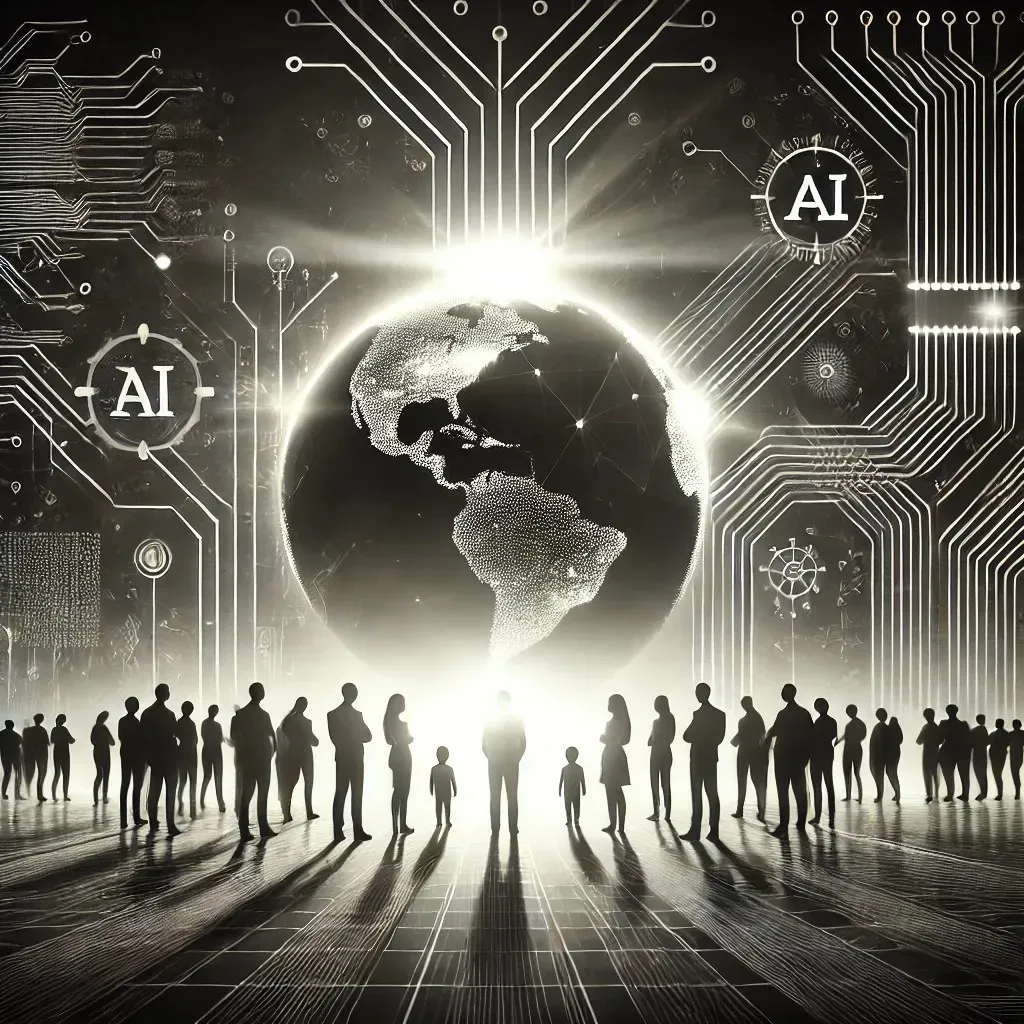
Looking ahead, the implications of effective AI governance are profound. In the short term, inclusive frameworks could bridge the digital divide, enabling more equitable access to AI-driven innovations. In the medium term, coordinated efforts could establish AI as a tool for solving complex global challenges, from pandemics to climate change. But the long-term vision is even more compelling: a world where AI not only augments human capabilities but also aligns with humanity’s highest aspirations.
Yet, the risks cannot be ignored. Poor governance could lead to fractured AI ecosystems, geopolitical tensions, and societal disruptions. The stakes are high, and the window for action is narrow. By embracing the UN’s recommendations, we have an opportunity to shape a future where AI serves humanity rather than dividing it.
The Journey Ahead
This is not a moment for passivity. As someone who has worked at the intersection of technology, innovation, and leadership, I see the UN’s report as a pivotal step in the right direction. Its vision is ambitious but necessary, offering a blueprint for navigating one of the most complex challenges of our time. The path forward will require courage, collaboration, and a relentless focus on ensuring that AI’s power is harnessed for the common good. The choices we make today will define the legacy we leave for generations to come.