From the archive: AI commentary I wrote in late 2024 and early 2025
Grammarly and AI Augmented Precision in Enterprise Communication

For centuries, our mastery of communication has been the bedrock of human collaboration and advancement. Today, we find ourselves at the cusp of a new chapter where Artificial Intelligence, particularly innovations like Grammarly’s ROI tools, plays a central role in shaping how enterprises communicate. To understand this transformation, we must explore the underlying technology, its significance, and its broader implications for organizations and society.
How Technology Interprets Communication
At its core, Grammarly’s tools represent a synthesis of natural language processing, machine learning, and data-driven insights. The Effective Communication Score, one of its standout features, acts as a mirror for organizational dialogue. It evaluates communication based on correctness, efficiency, brand compliance, and inclusivity. Each metric represents a facet of the organization’s identity, fostering clarity, coherence, and shared understanding among its members.

The mechanics are deceptively simple yet profound. The system analyzes text for grammatical integrity, ensuring correctness. It optimizes for efficiency by reducing verbosity and aligning language with time-sensitive needs, a critical factor in today’s fast-paced digital workflows. Brand compliance ensures the preservation of identity, safeguarding the voice of the enterprise amidst the chaos of modern communication. Finally, the commitment to inclusivity reflects the growing demand for equitable and representative organizational cultures.
But these tools are more than the sum of their algorithms. By embedding themselves into enterprise systems, they become both a lens and a lever—revealing inefficiencies and acting to eliminate them.
The Stakes in a Changing Landscape
Why does this matter now? Because communication is no longer a passive process; it is a strategic differentiator. Enterprises face an increasingly hybrid work environment, where physical distance amplifies the importance of digital communication. In such a setting, the smallest inefficiencies cascade into lost time, misaligned teams, and squandered opportunities. By quantifying the ROI of communication tools, Grammarly offers organizations an unparalleled opportunity to refine their operational effectiveness.
From a financial perspective, this is a paradigm shift. CIOs and decision-makers have long struggled to articulate the tangible benefits of AI adoption. Grammarly bridges this gap by presenting metrics that link communication improvement directly to business outcomes, whether through enhanced customer satisfaction or streamlined internal processes. These insights do more than justify budgets—they establish a new standard for AI integration.
Beyond the Tools: The Convergence of AI and Culture
However, the significance of these tools extends beyond their immediate application. They reveal a deeper interconnection between technology and the social fabric of organizations. For centuries, language has been our primary means of building culture and trust. Now, AI systems like Grammarly are subtly reshaping how culture is expressed and experienced in professional settings.
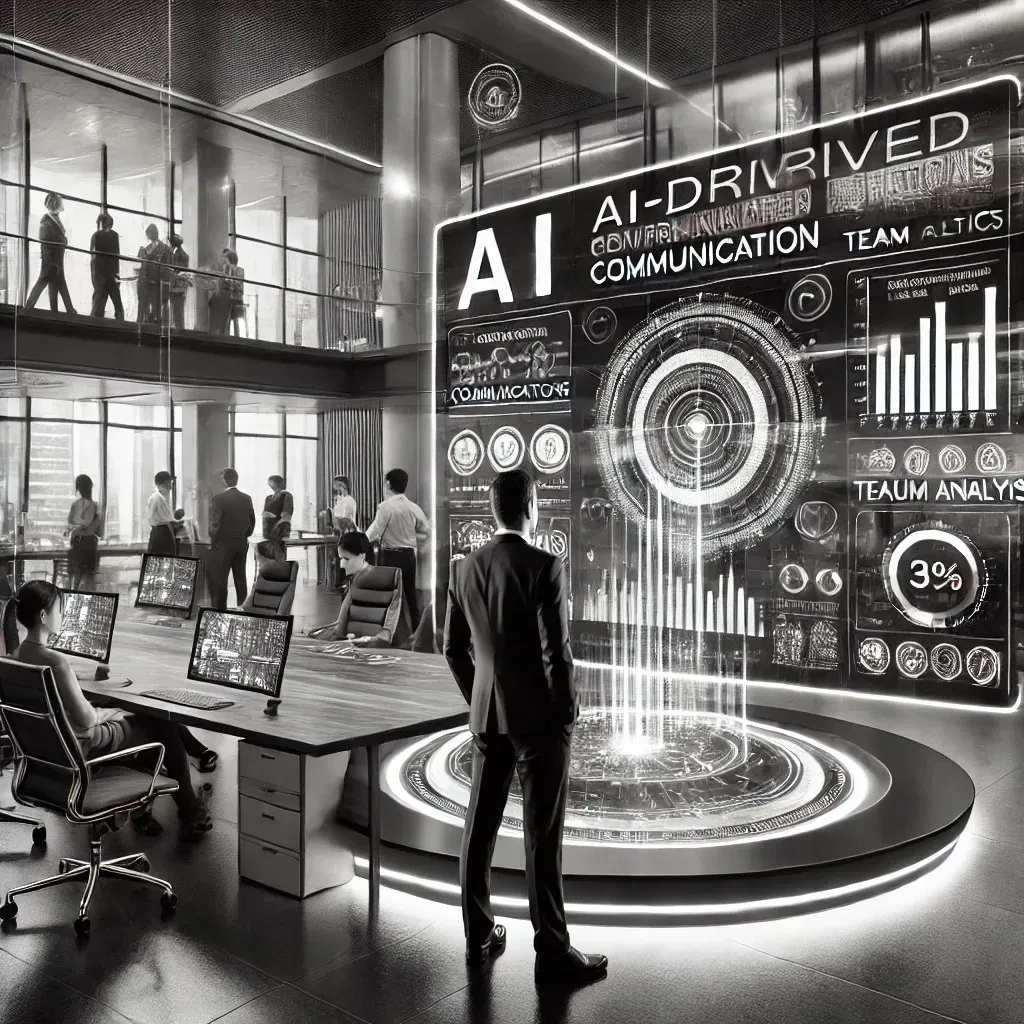
Inclusive language use, for example, does more than reflect current trends in diversity and equity—it actively shapes the culture of workplaces. By normalizing respectful and equitable language, AI tools encourage behaviors that strengthen team cohesion and employee morale. This is a shift where technology doesn’t merely respond to culture but becomes an agent in defining it.
The tools also underscore the importance of alignment between individual contributors and organizational values. When communication embodies an organization’s ethos, it fosters a sense of shared purpose. This alignment isn’t just beneficial for branding; it enhances resilience, collaboration, and adaptability.
What Lies Ahead
The trajectory of these tools points to a future where communication itself becomes a measurable and improvable asset. Upcoming iterations are likely to offer more granular insights into team dynamics, tracing the flow of information across departments and uncovering bottlenecks. These developments will empower leaders to address inefficiencies with surgical precision.
Moreover, as enterprises integrate AI across their operations, the interconnectedness of these tools with broader systems like CRM platforms or project management software will grow. Imagine a future where Grammarly’s tools not only evaluate but also predict communication trends, offering proactive recommendations to prevent missteps before they occur.
But we must also consider the ripple effects. In an era where AI permeates every aspect of work, the boundary between human intuition and machine recommendation begins to blur. First-order effects, such as increased productivity, will give rise to second-order impacts, including shifts in how teams collaborate. Over time, third-order consequences may emerge, such as changes in leadership dynamics as decision-making becomes increasingly data-driven.
The Ethics of Efficiency
As we embrace these tools, it is imperative to question the long-term implications. Who decides the parameters of correctness, efficiency, or inclusivity? These are not merely technical decisions—they reflect values that must be debated and upheld.
Furthermore, there is a risk that excessive reliance on AI in communication could erode human spontaneity and creativity. While efficiency is valuable, it should not come at the expense of the authentic, human connection that defines meaningful dialogue. Striking this balance will require vigilance and an ongoing commitment to ethical AI deployment.
Closing Thoughts
In my career, I have witnessed the transformative power of technology in fostering innovation and efficiency. At Twilio, leading the development of AI-powered solutions taught me the importance of aligning technical capability with human need. Grammarly’s tools exemplify this principle. They are not just products; they are a glimpse into the future of work.
As organizations adapt to this new era, those that leverage AI to enhance—not replace—human ingenuity will thrive. The question is not whether we can measure the ROI of communication but whether we can harness it to create workplaces that are not only efficient but also equitable, inclusive, and resilient. This is the challenge and the opportunity of our time.