From the archive: AI commentary I wrote in late 2024 and early 2025
Can Artificial Intelligence Replace Empathy in Healthcare?
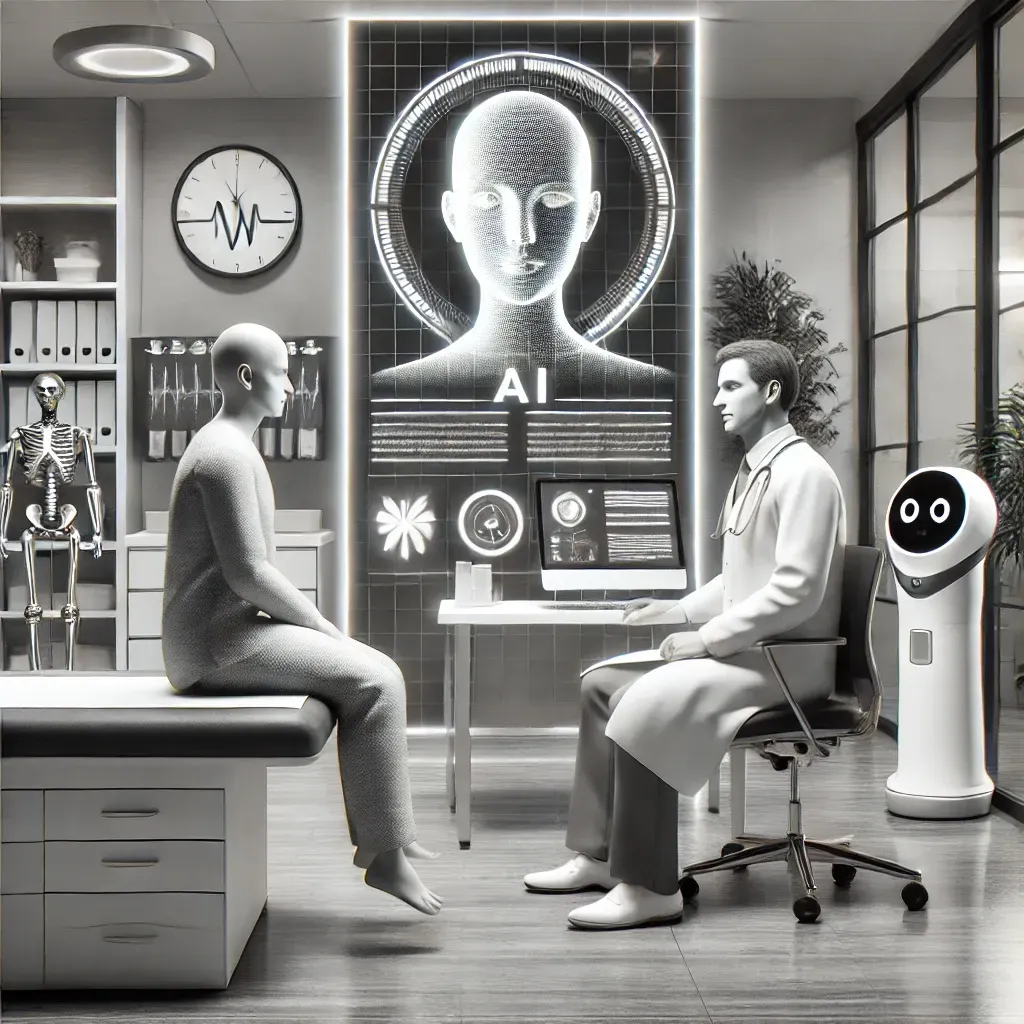
The question before us is not merely about the ability of AI to answer questions or perform tasks; it is whether artificial intelligence can step into a role traditionally filled by human empathy and judgment. As I reflect on my career, having led teams that designed AI-driven predictive systems at Twilio and having honed my expertise in generative AI, the rise of AI-driven healthcare solutions, such as Hippocratic AI’s Ana, signals a profound turning point in medicine. These advancements, however, challenge our traditional conceptions of care, requiring us to balance technological capabilities with the deeply human need for connection.
What Makes Ana Different From Other Chatbots?
To say Ana is a chatbot would be like calling a surgeon a technician. Ana is built on advanced generative AI principles, designed specifically for healthcare. This system doesn’t just answer simple queries; it engages patients in complex conversations about their health. Ana can guide someone through a cancer screening questionnaire or offer tailored advice for a medical procedure. Its language processing capabilities enable it to decipher fragmented and colloquial sentences, demonstrating not only technical sophistication but an ability to navigate the subtle and often chaotic nature of human communication.
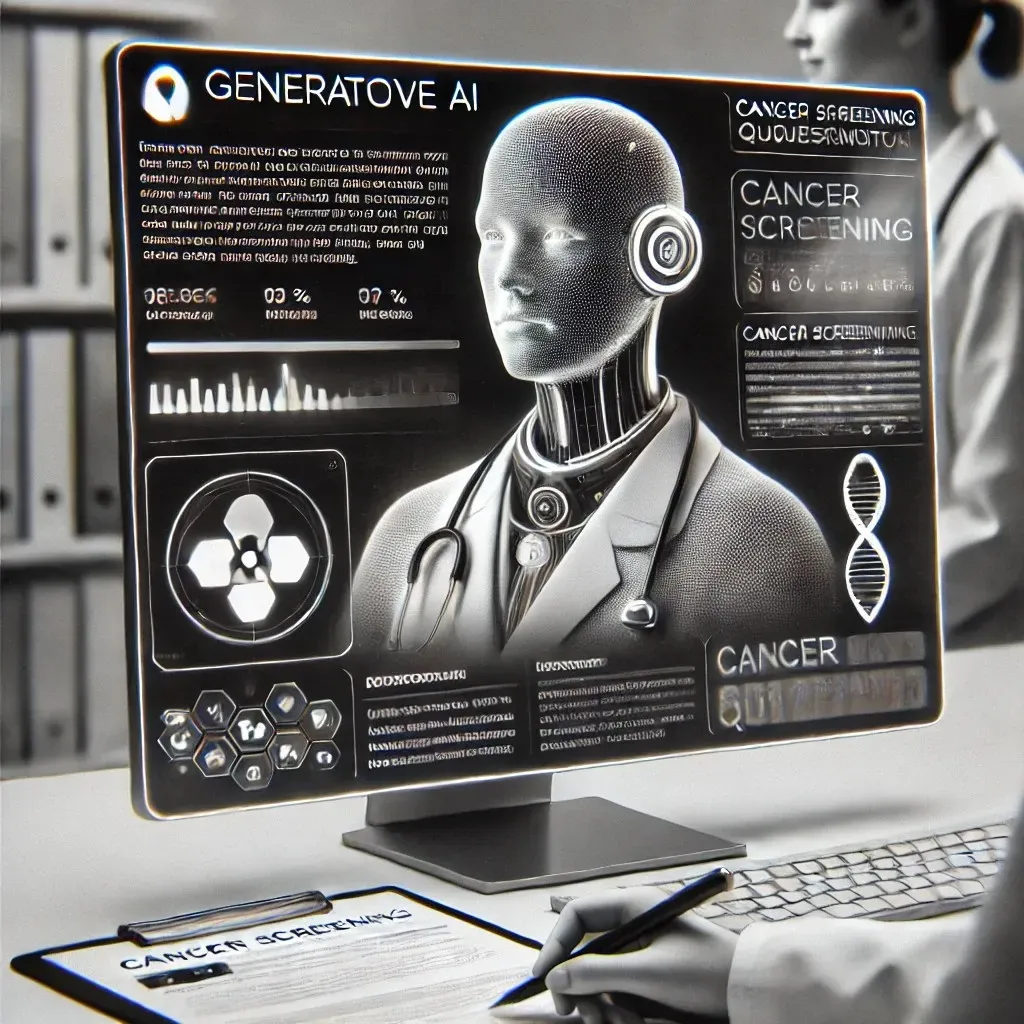
In my work with AI systems, I’ve seen firsthand how the nuances of design impact user trust. Ana’s ability to switch between languages, for instance, isn’t a mere feature—it’s a profound statement on inclusivity. By integrating Spanish and soon Haitian Creole, Ana breaks down language barriers, a crucial step in addressing health inequities.
Why This Technology Could Not Have Come Sooner
The development of Ana exemplifies how technology evolves to meet societal needs. Healthcare systems, battered by workforce shortages and strained by growing demands, are desperate for scalable solutions. Ana steps into this void. By automating low-risk tasks, such as pre-screening patients or offering postoperative advice, Ana ensures human professionals can focus on critical care. This distribution of labor has echoes of the predictive AI systems I helped build at Twilio—tools designed not to replace engineers but to enable them to anticipate and address operational challenges more effectively.
Does Technology Always Improve Equity?
The deployment of Ana at WellSpan Health reveals a potential for AI to act as a great equalizer. However, I would argue that technology alone cannot solve systemic inequities—it requires intentional integration. WellSpan’s decision to validate Ana’s outputs through clinician oversight is a case in point. This not only safeguards patient safety but also fosters trust, particularly among marginalized communities historically failed by technological systems. By prioritizing inclusivity and cultural sensitivity, this deployment highlights a model for equitable AI adoption.
But the social consequences of such innovations run deeper. Ana’s multilingual capabilities, for example, reduce barriers to information but could also set new expectations for healthcare providers, demanding constant availability in every language. Will this standard of accessibility lead to an even greater disparity between institutions that can afford such systems and those that cannot?
Where Does the Human Fit in an AI-Driven Future?
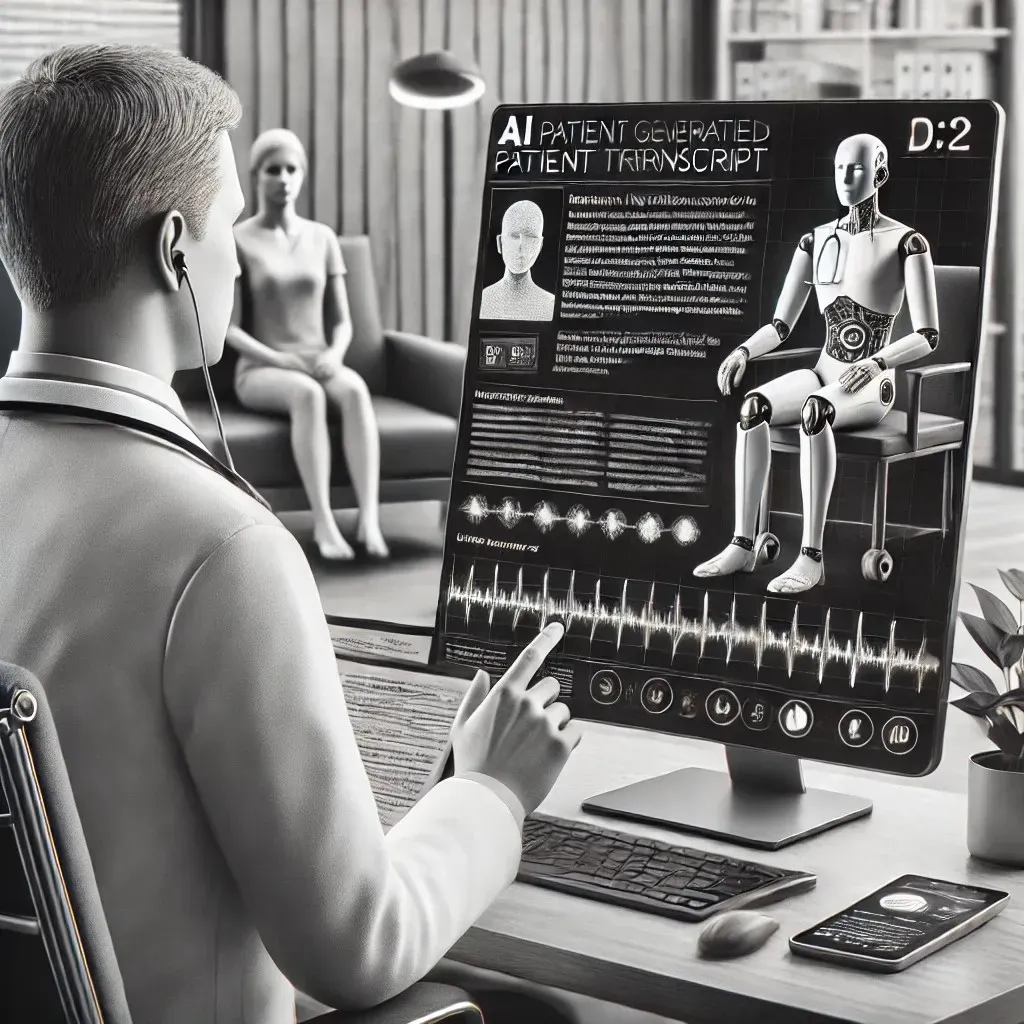
The most pressing question is not what Ana can do, but what roles are left for human healthcare professionals. In the coming years, systems like Ana could evolve from simple assistants to semi-autonomous agents capable of diagnosing and treating common illnesses. The implications for this shift are profound. On one hand, it democratizes access to expertise. On the other, it risks dehumanizing care by reducing patients to data points.
When I designed systems to predict operational anomalies, the ultimate goal was not to remove human oversight but to enhance it. The same principle must apply here. The challenge is ensuring that AI amplifies human judgment, rather than replacing it. This balance will be critical as we move toward increasingly complex applications of AI in healthcare, from chronic disease management to real-time mental health interventions.
What Might Healthcare Look Like in 2030?
If the trajectory of Ana is any indication, the healthcare landscape of the future will look dramatically different. Generative AI could eventually automate intricate tasks, such as surgery preparation or real-time monitoring of critical patients. But such advancements will not come without cost. The first-order effects—improved efficiency, greater accessibility—are easy to celebrate. The second-order effects—such as shifts in employment patterns within healthcare—are more uncertain. Will AI exacerbate existing inequalities, or will it push us to redefine the very notion of a healthcare professional?
The third-order consequences are perhaps the most speculative yet most intriguing. If systems like Ana evolve to include emotional intelligence, will patients begin to prefer AI for certain types of care? What happens to the doctor-patient relationship when empathy is mediated through a screen?
What Does It All Mean for Humanity?
The deployment of Ana by WellSpan Health is a microcosm of broader technological and societal shifts. As someone who has spent years building generative AI systems, I see both the promise and the peril. Ana could herald a new era of accessible and efficient healthcare, but only if we, as a society, ensure its deployment serves humanity as a whole.
For now, Ana is a tool—impressive, adaptable, but ultimately limited. The challenge for us, as designers, engineers, and thinkers, is to wield such tools responsibly. The future of healthcare lies not in replacing empathy with algorithms but in creating systems that allow empathy to flourish where it is most needed.