From the archive: AI commentary I wrote in late 2024 and early 2025
AI And The Shape of Water’s Future
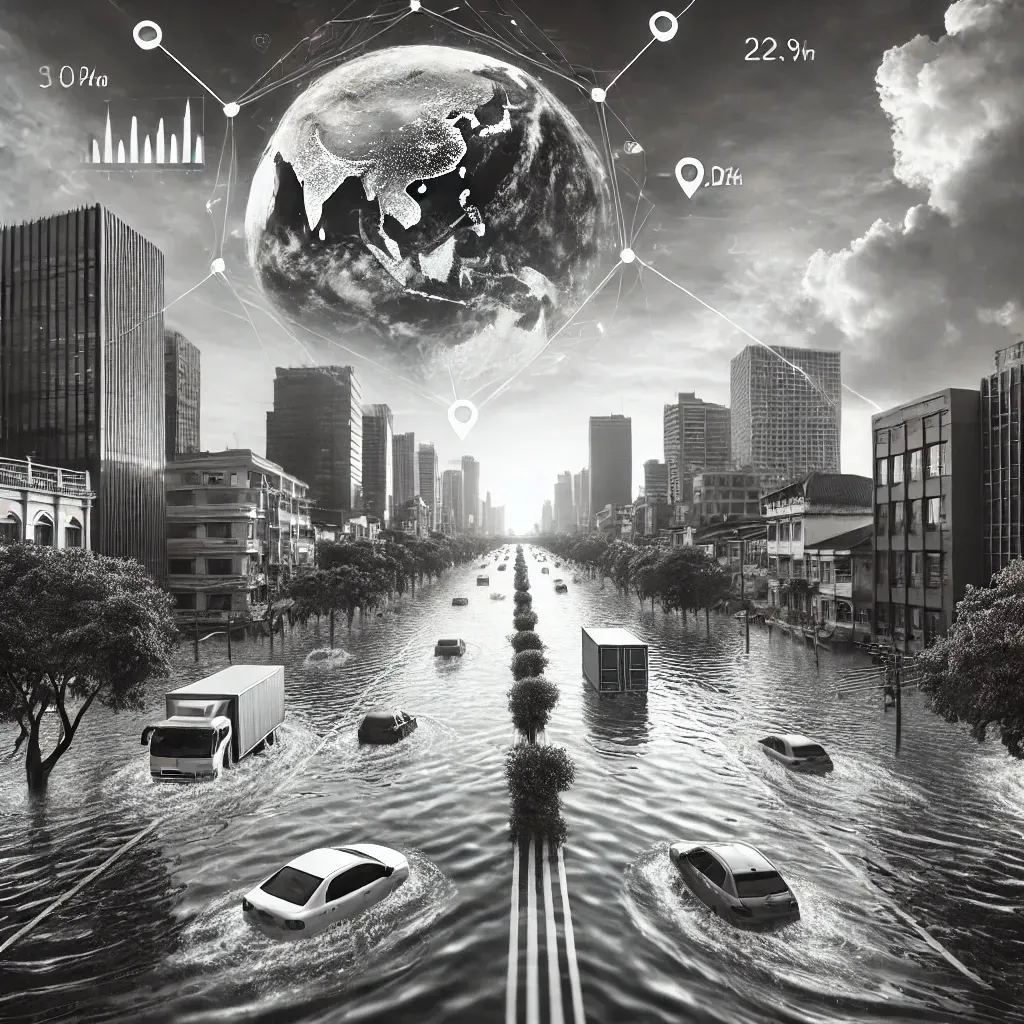
Floods are some of the most devastating expressions of nature’s power. The unpredictability of water reshapes our landscapes and leaves scars on both land and lives. Climate change has turned these once-rare occurrences into common calamities. The pressing question, then, is whether technology can tame this force, offering insight and preparation. This is where the Earth Intelligence Engine steps in—a tool at the intersection of advanced AI and environmental necessity.
What Gives This Engine Its Power?
The Earth Intelligence Engine, or EIE, draws from the most advanced realms of artificial intelligence. At the core of its design is the integration of generative adversarial networks, or GANs. In simplest terms, GANs are the duelists of AI. One part, the generator, creates images. The other, the discriminator, critiques these creations. Together, they evolve, forcing one another to improve until the generated satellite images of floods become hyper-realistic.
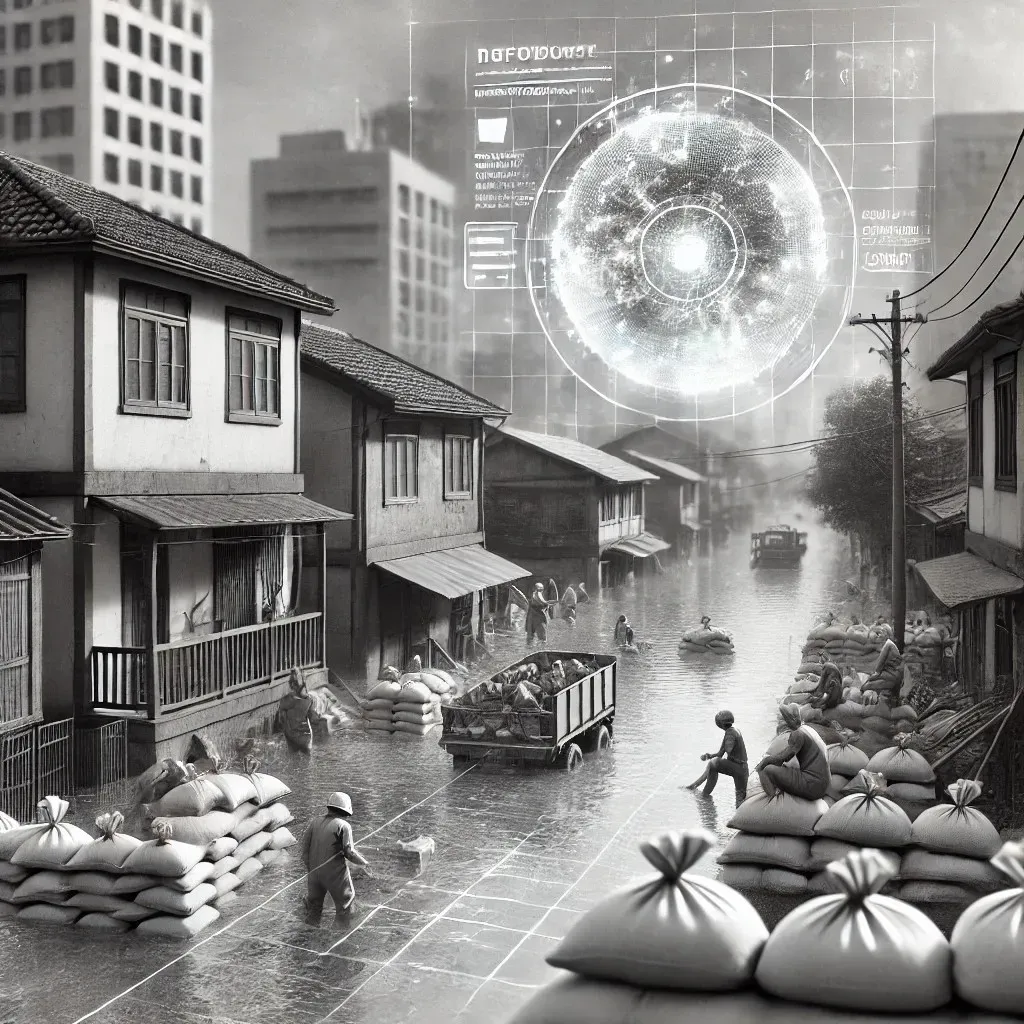
But GANs alone are not enough. AI predictions need grounding in reality, and this is where physics enters. EIE employs fluid dynamics and gravitational principles to align its models with what truly happens when rivers swell or storm surges rise. The result is a model that doesn’t just simulate possibilities but reflects real risks with precision.
Why Now?
Technology often meets the world’s needs at moments of crisis. Climate change, by accelerating extreme weather events, has created a clear demand for smarter tools. Floods now reach beyond their historical confines, impacting areas once thought safe. These new realities demand a localized understanding of risks. General predictions fail when one street is submerged and the next remains dry.
EIE matters because it meets communities where they are. It doesn’t just show regions likely to flood—it dives deeper, offering street-level clarity. Residents can see whether their homes are at risk, and governments can allocate resources where they are most needed. This shift from the macro to the micro is a step toward making disaster preparation personal.
How It All Intersects
Artificial intelligence does not operate in isolation. The EIE integrates machine learning with decades of Earth systems data. The use of GANs to create images might seem purely technological, but the applications reach into human behavior and decision-making. Accurate and visually striking images grab attention, drawing community leaders and residents into action. Decisions about evacuation, resource deployment, and long-term urban planning are suddenly informed by something vivid and trustworthy.
This interplay between technology and society reflects the broader potential of AI. Tools like the EIE are not just pieces of software; they are collaborators in human resilience. The data they present becomes the foundation for conversations, debates, and actions that can redefine how we coexist with nature’s unpredictability.
A Glimpse Into Tomorrow
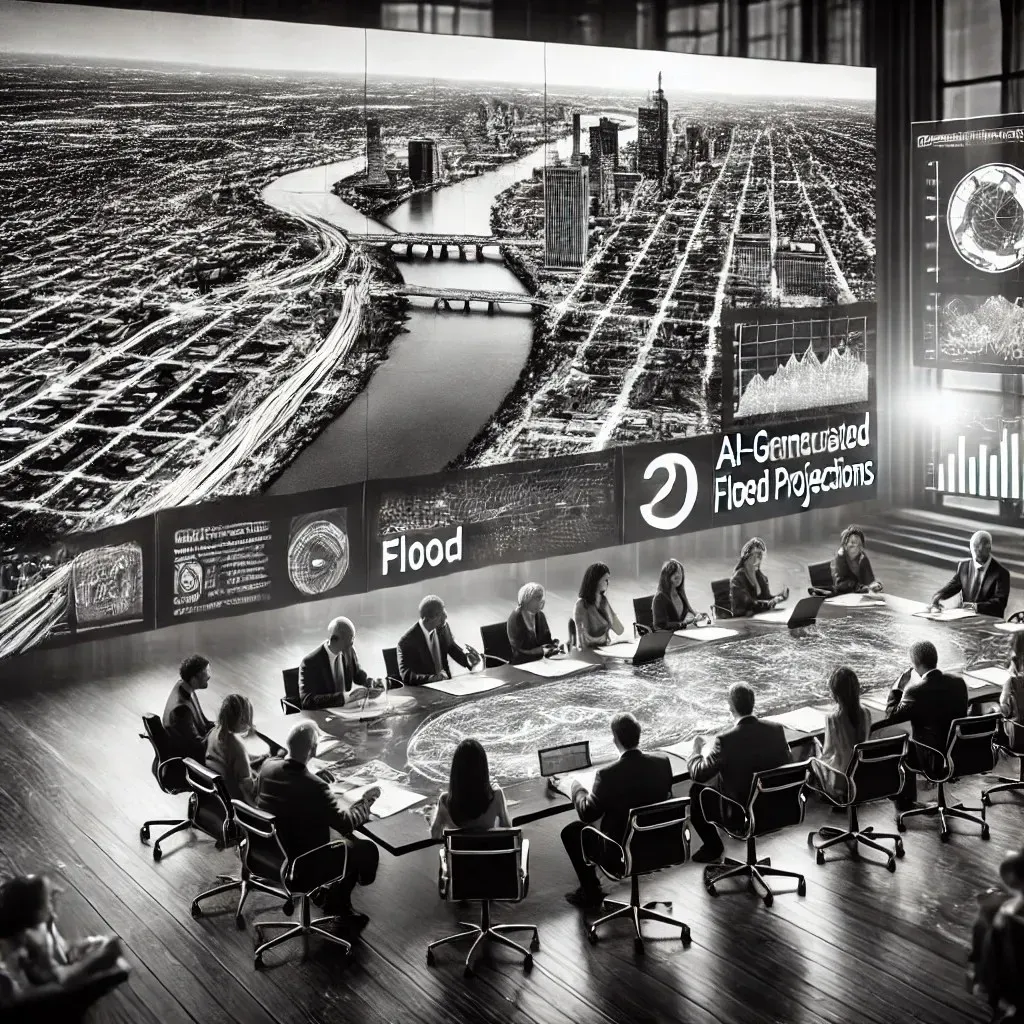
Looking ahead, the EIE could become a global tool, serving communities in regions far beyond its initial test areas. Imagine its predictive models informing flood defenses in Jakarta or aiding hurricane preparations in the Gulf of Mexico. By expanding the datasets that train its AI, the tool could adapt to new contexts, becoming a universal resource for flood-prone communities worldwide.
But what happens when the predictions fail? No technology is perfect, and overreliance on AI can lead to complacency. The risk lies not just in errors but in how society might react to them. A community that trusts an AI to warn it about floods might ignore other signs of danger. This highlights the need for humans to remain vigilant, using AI as a guide rather than a crutch.
The Ripple Effects of Innovation
The Earth Intelligence Engine also forces us to confront deeper questions about technological progress. First-order effects are clear: fewer lives lost, less damage to property, and more efficient resource allocation. But second-order effects emerge over time. Communities that once feared water’s unpredictability might begin to build closer to its edge, trusting AI to predict the next flood.
Third-order effects stretch even further. As tools like EIE proliferate, they could reshape urban design, altering how cities grow and how infrastructure is built. These shifts would ripple through economies, social systems, and environmental policies. They could even change how humanity views its relationship with nature—not as an unpredictable force but as something that, with the right technology, can be understood and perhaps even tamed.
A Closing Thought
In leading teams to build predictive AI systems for SaaS platforms, I’ve seen firsthand how machine learning models can enhance decision-making. Tools like the EIE remind us of technology’s potential to serve not just industries but humanity itself. They are not mere feats of engineering; they are answers to existential questions.
The Earth Intelligence Engine is not the final answer to flooding. It is, however, a significant step in a broader journey. As we move forward, we must balance innovation with caution, ensuring that the tools we create serve as allies, not replacements, for human judgment. In this balance lies the true power of progress.