From the archive: AI commentary I wrote in late 2024 and early 2025
AI, Humans, And the Disruption That Will Shape the Future of Work
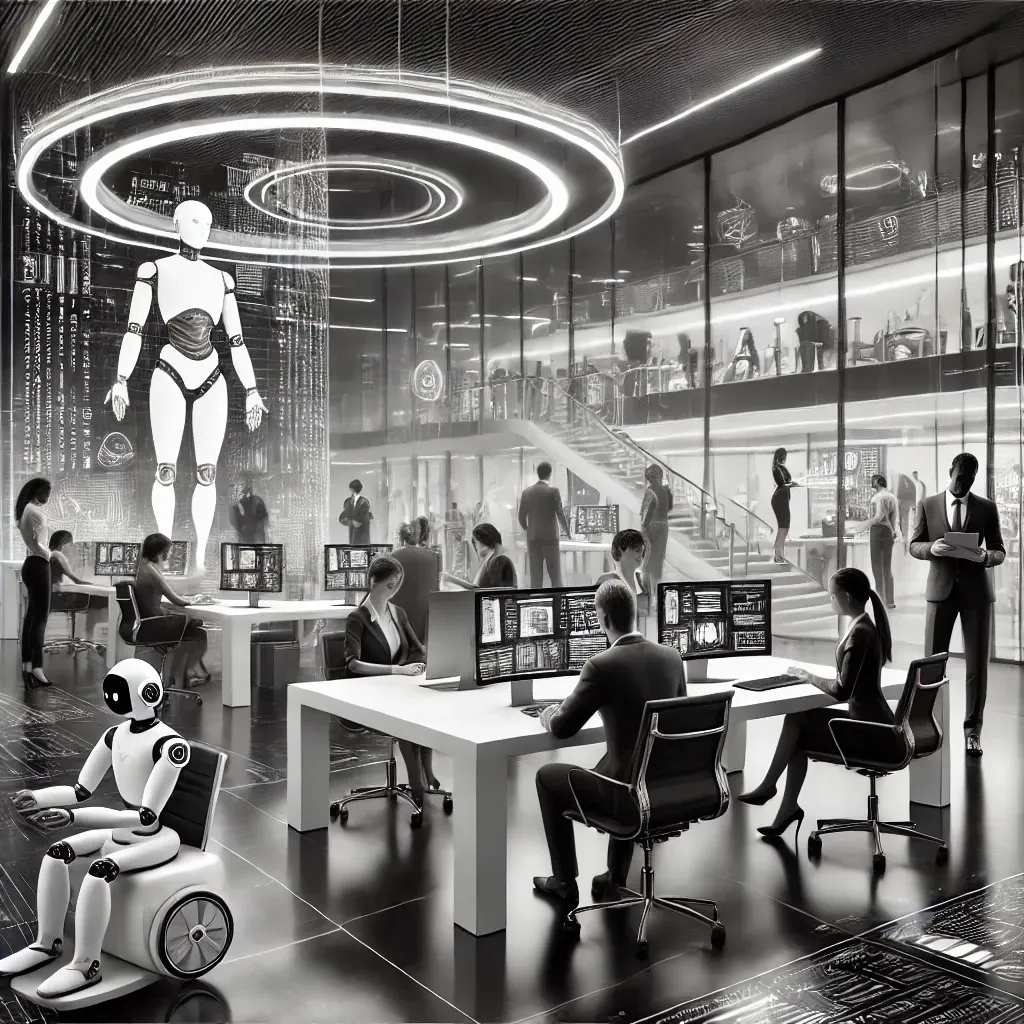
Artificial intelligence, often framed as humanity’s most transformative tool, is redefining the labor market at an unparalleled pace. Having spent years engineering AI systems that predict, adapt, and enhance human workflows, I see AI not as a disruptor in the traditional sense, but as a collaborator, reshaping the scaffolding of our economic and social systems. Yet, what does this transformation entail, and how do we adapt without losing the essence of our roles?
Why Efficiency Alone Isn’t the Goal
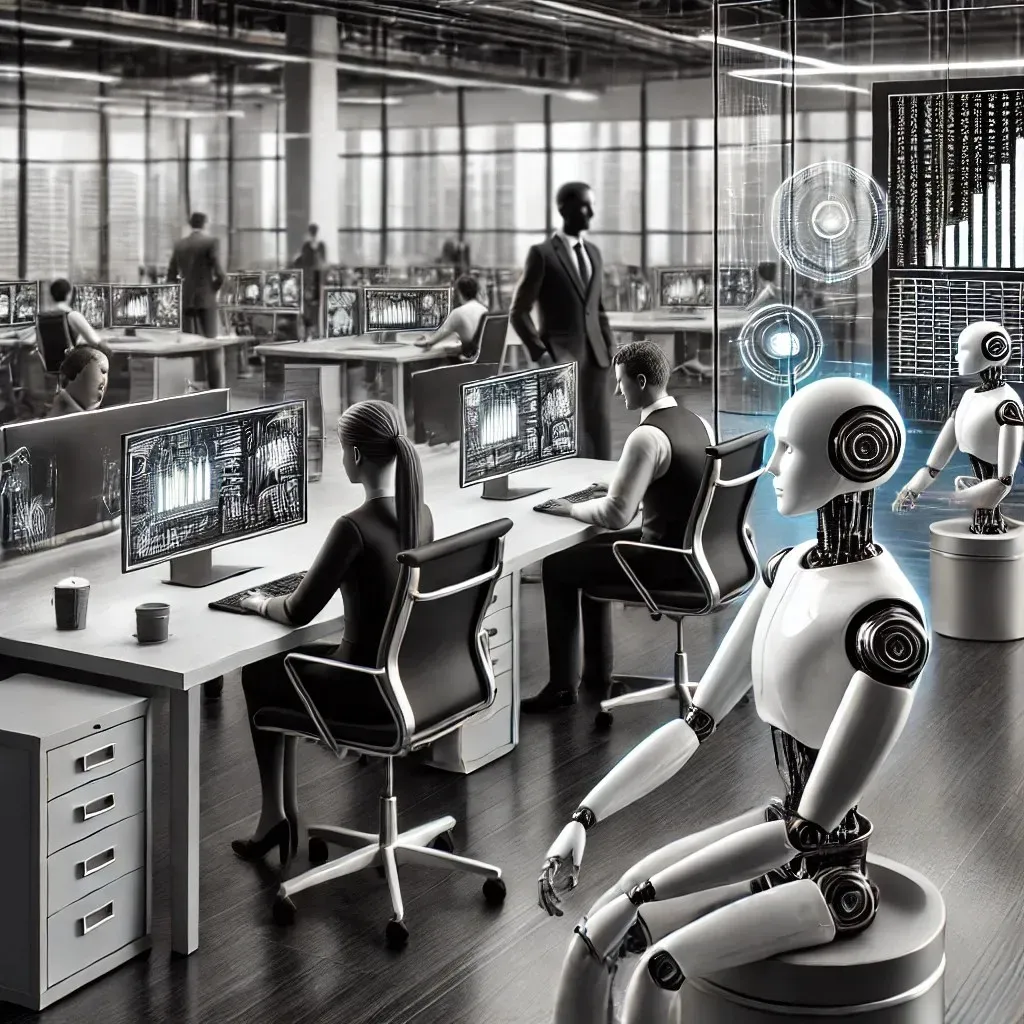
The first wave of AI’s adoption is often mistaken for automation alone. Tasks that once consumed hours—data entry, scheduling, even routine diagnostics—now yield to algorithms capable of learning and executing with precision. This is not an unfamiliar story. Every industrial leap, from steam engines to assembly lines, has promised productivity. However, the unique nature of AI is its capacity to partner with human creativity.
At Twilio, my team developed an Incident Early Warning System leveraging generative AI to predict service disruptions. This tool did not replace the engineers monitoring system performance; it made them faster, better informed, and, crucially, more proactive. This interplay of AI and human problem-solving embodies what the near future holds: systems that do not aim to replace us but to augment what we already do well.
New Roles in the Age of Algorithms
While some roles shift, others emerge. When AI takes over the repetitive, it creates a vacuum for the nuanced. I’ve observed this firsthand in building teams to work with AI-driven platforms. Consider professions like AI trainers, who ensure the technology learns ethically and effectively, or explainability experts, who dissect AI’s decisions for transparency. These roles emphasize the enduring importance of human oversight.
Furthermore, as AI governance becomes a cornerstone of innovation, new job categories will surface that combine ethics, engineering, and societal insight. I predict that the demand for these hybrid skills will outpace traditional technical expertise. This is not speculative; it’s a natural response to the increasing reliance on technology that must remain accountable and equitable.
How Collaboration Redefines Work
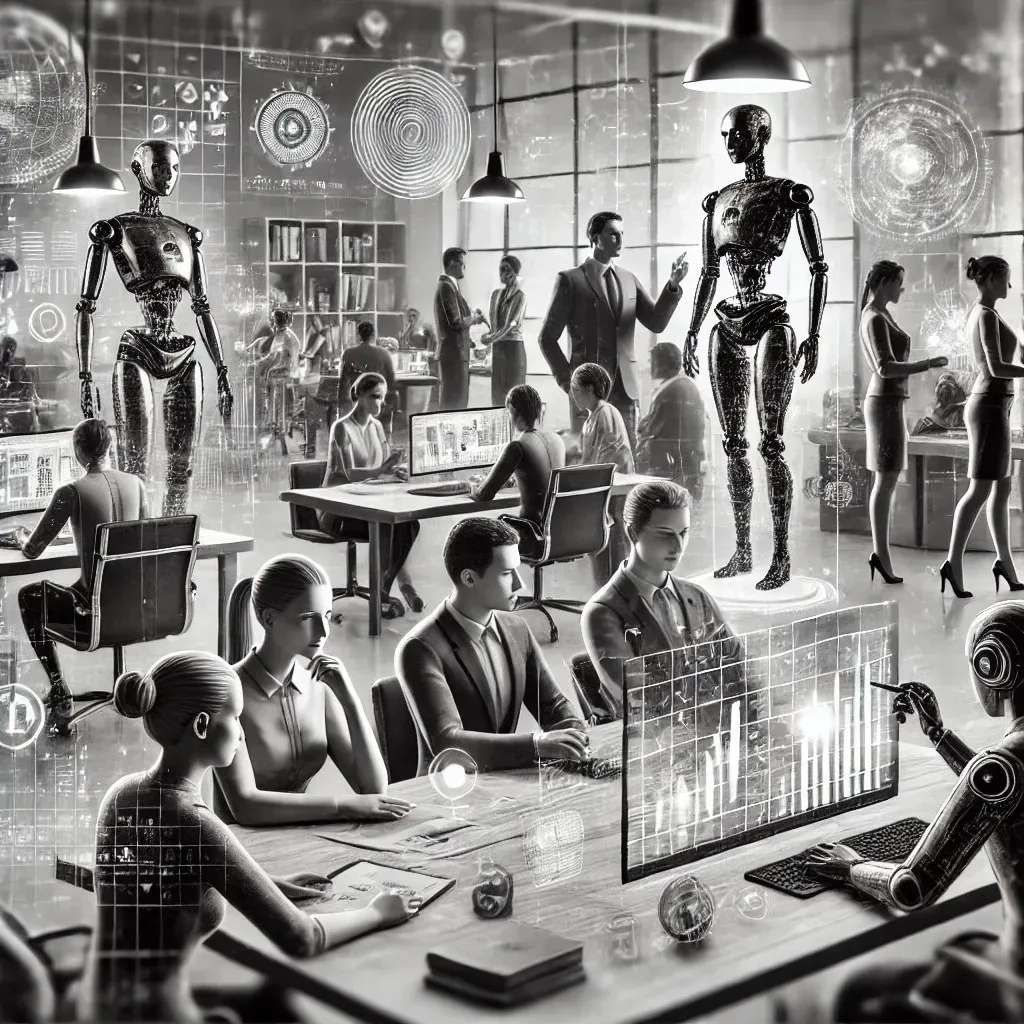
The concept of human-AI collaboration is less about the delegation of tasks and more about reimagining workflows. AI’s ability to process and analyze vast datasets finds its complement in human intuition and contextual reasoning. Together, they form an iterative loop of discovery. This was evident in my work scaling SaaS systems, where AI detected anomalies in real-time, and engineers interpreted and resolved those anomalies within broader operational contexts.
This synergy is particularly potent in fields like healthcare. Imagine doctors guided by algorithms capable of diagnosing subtle patterns invisible to the naked eye, yet still grounded in human conversation and care. The blend is not merely additive; it’s transformative.
The Uneven Map of Change
It is tempting to see AI’s impact as uniform across industries, but this oversimplifies reality. Sectors like finance, retail, and logistics—heavy with data-driven roles—stand at the forefront of change. Meanwhile, professions demanding emotional intelligence or hands-on expertise, such as nursing or craftsmanship, will incorporate AI tools rather than be overtaken by them.
This variance stems not only from the nature of tasks but also from societal readiness to embrace certain technologies. At World Wide Technology, I witnessed organizations wrestle with adapting to cloud platforms—not because the technology was insufficient, but because change requires cultural alignment and education.
Can We Prepare?
Preparing for this shift demands an emphasis on adaptability. The skills needed in the AI era extend beyond technical fluency. Workers must learn to thrive alongside machines, combining data literacy with the critical thinking and creativity that AI cannot replicate. This requires targeted reskilling programs, but also a fundamental change in how we approach lifelong learning. We must recognize that expertise is no longer static.
The challenge is significant, but it is not insurmountable. Initiatives like those I led to foster inclusivity within engineering teams demonstrate that organizational culture can evolve, often in tandem with technological progress. By embracing collaborative learning and prioritizing agility, industries can prepare for the future without compromising their core values.
The Ethics of Innovation
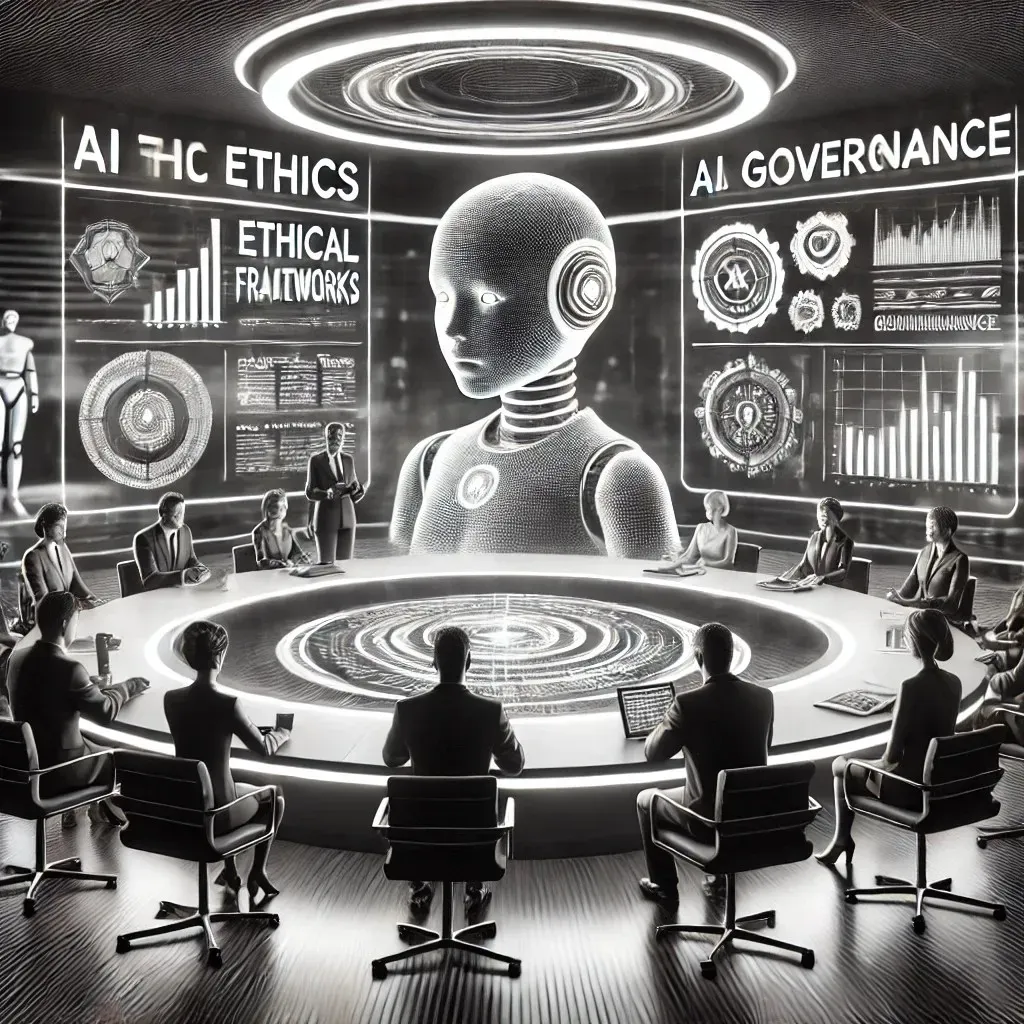
Every technological leap is shadowed by ethical questions, and AI is no exception. Issues like bias, accountability, and transparency are not just theoretical concerns—they are real challenges that we must address proactively. As someone who has built predictive AI systems, I am acutely aware of their limitations. These systems are only as unbiased as the data they consume, and ensuring their fairness requires continuous scrutiny.
The rise of roles like AI ethicists reflects this growing need. Yet ethics must transcend job titles; it should be embedded in every stage of AI development and deployment. In doing so, we safeguard not only the integrity of our systems but also the trust of the societies they serve.
What Comes Next
As AI reshapes the labor market, we must look beyond the immediate changes to anticipate broader consequences. The first-order effects are evident: automation and augmentation. Second-order effects, such as the reshaping of industries, are becoming clear. But the third-order effects—the societal shifts these changes precipitate—are where our focus must lie.
A world where AI redefines work is also one where the nature of education, governance, and even leisure evolves. These shifts will challenge our assumptions about productivity and fulfillment. But they also hold the promise of a society where technology and humanity coexist, not as competitors, but as collaborators.
Building the Future Together
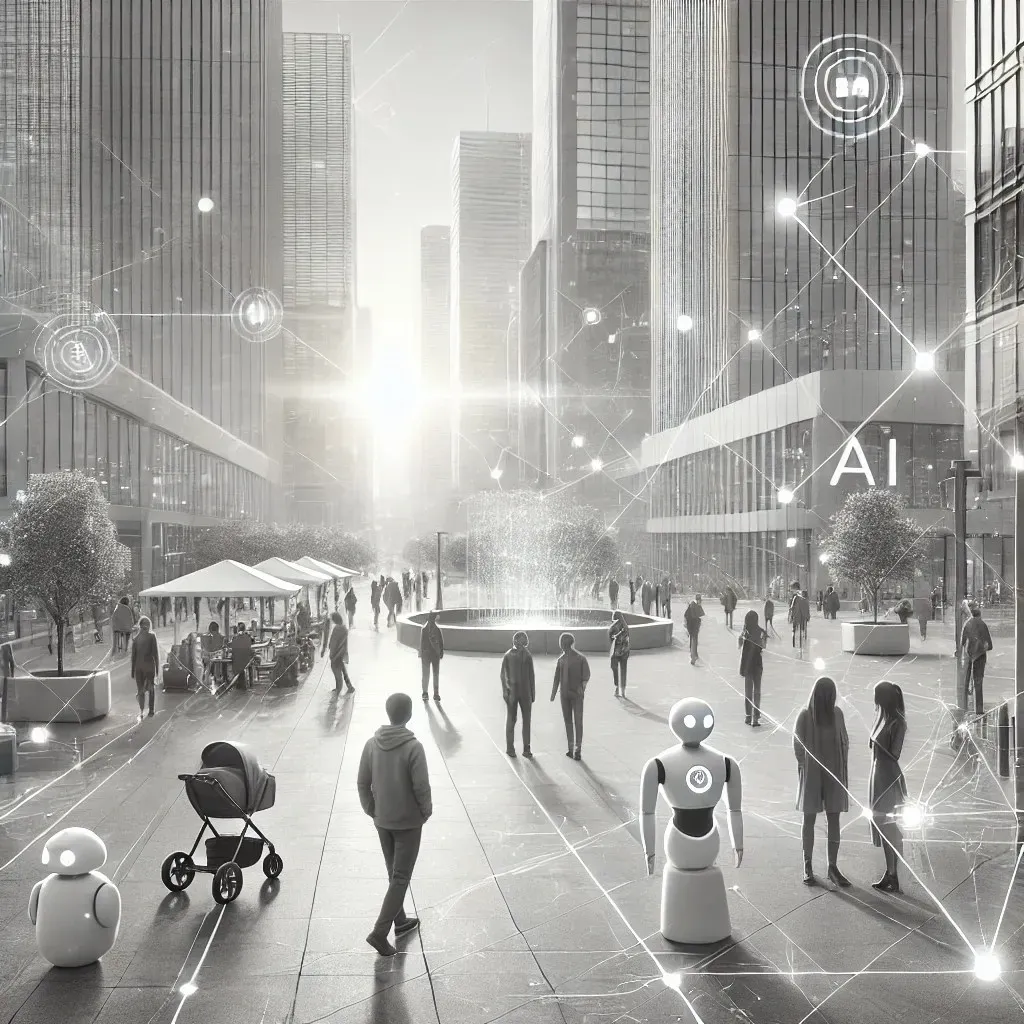
The future of work is not a monolithic narrative of loss or gain. It is a mosaic of interwoven stories—of humans and machines, of adaptation and resistance, of innovation and ethics. By understanding these dynamics and preparing thoughtfully, we can shape a labor market that values creativity, inclusivity, and collaboration.
As I reflect on my journey, from building modular systems to designing AI-powered tools, I am reminded of one constant: technology is only as powerful as the people who wield it. The challenge before us is not simply to build better systems but to build a better society alongside them.