From the archive: AI commentary I wrote in late 2024 and early 2025
The Geopolitical Partnerships Shaping Global AI in 2025

Recent decisions in global technology policy rarely make headlines, but their ripples define the future. Taiwan’s exemption from U.S. AI export curbs is one such decision. This isn’t just about chips or geopolitics; it is a story of trust, strategy, and a collective ambition to steer the wild currents of artificial intelligence toward a future both prosperous and secure.
Why the U.S. Drew the Line
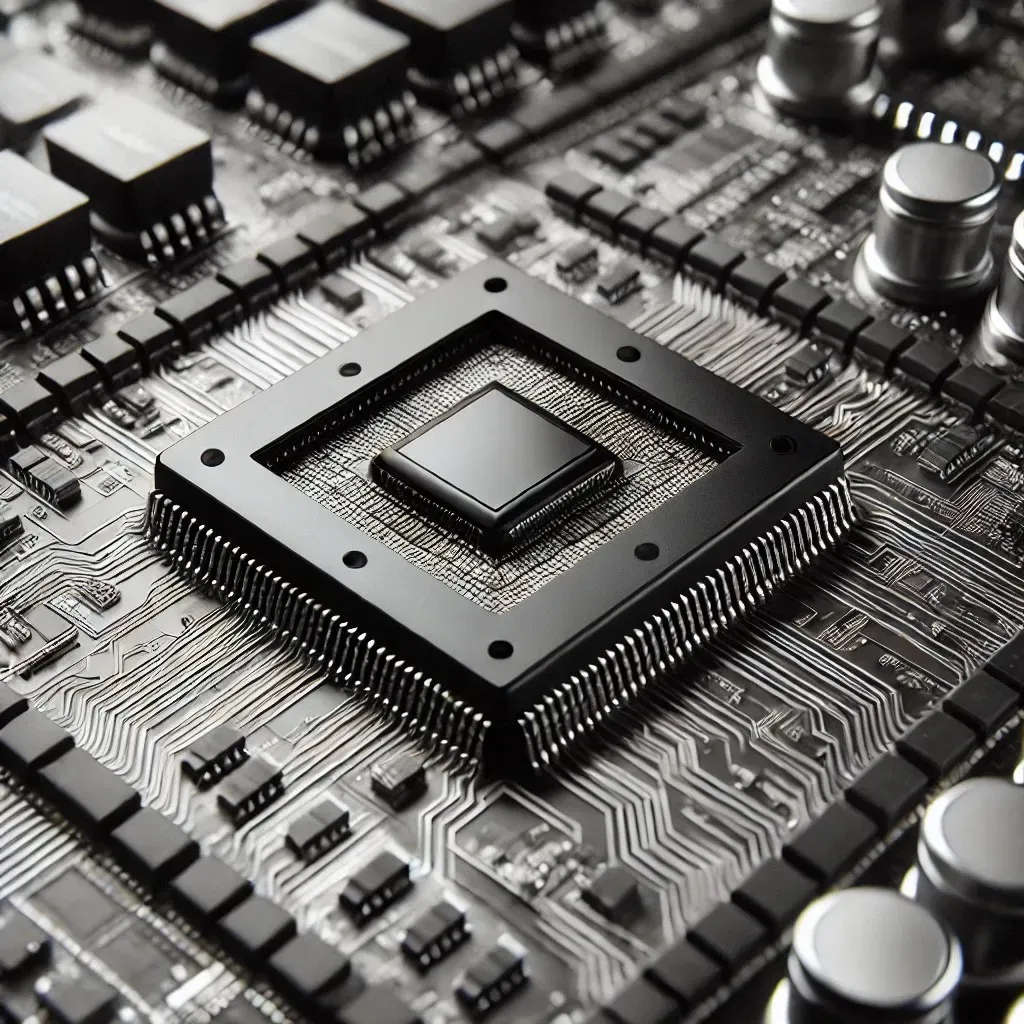
Artificial intelligence today is not just another technological leap—it’s a new epoch. The power behind every generative model, every predictive algorithm, comes down to one thing: computing power. To train systems like ChatGPT or Google’s Bard, you need advanced semiconductors capable of performing astronomical numbers of calculations per second. For nations, controlling this power is akin to controlling fire during the dawn of human civilization.
The U.S. has stepped in, implementing stringent curbs on the export of cutting-edge AI-enabling technologies to nations seen as adversarial. These technologies include advanced chips, pretrained AI models, and the tools required to create them. The aim? To secure not only the U.S.’s lead in AI but to prevent the misuse of this power in ways that could destabilize global security.
Yet there’s a delicate balancing act here. Innovation thrives on collaboration, but collaboration necessitates trust. This is where Taiwan comes into play.
Taiwan’s Unique Role in the AI Supply Chain
As someone who has spent years working with AI systems and understanding the infrastructure that supports them, I can tell you: Taiwan is not just important—it is essential. The Taiwan Semiconductor Manufacturing Company (TSMC) is at the heart of the global semiconductor industry, responsible for producing the chips that power the world’s most sophisticated AI systems. Without Taiwan, the AI revolution would slow to a crawl.
But why Taiwan? Its dominance comes from a blend of technical ingenuity, an unparalleled workforce, and the sheer complexity of semiconductor manufacturing. Building chips at the 3nm scale—thousands of times thinner than a human hair—requires not only cutting-edge machinery but decades of expertise.
By exempting Taiwan from AI export restrictions, the U.S. secures this critical supply chain. Yet there’s more to the story than hardware.
A Blueprint for AI Governance
Taiwan’s exemption isn’t just a recognition of its semiconductor prowess; it is a nod to its leadership in ethical AI governance. While the U.S. and Europe wrestle with the moral quandaries of AI, Taiwan is quietly drafting what could become a global standard. Its AI Basic Act divides AI applications into categories based on their potential risks, tailoring regulations to ensure safety without suffocating innovation.
The genius of this approach lies in its adaptability. High-risk applications, like AI in law enforcement or autonomous weapons, face stricter scrutiny, while lower-risk systems like recommendation engines are given more room to grow. Taiwan’s regulatory sandboxes allow developers to test their innovations under controlled conditions, striking a rare balance between safety and progress.
This forward-thinking governance model not only aligns with U.S. values but also sets a precedent for other nations looking to responsibly integrate AI into society.
The Bigger Picture: Why This Matters

This decision is not just about Taiwan or the U.S.; it is about the emerging framework for global AI. Allowing Taiwan access to advanced U.S. technology strengthens a critical ally, ensuring that the development of AI remains in the hands of those who prioritize responsibility. It also sends a message: trustworthiness in AI governance can unlock unprecedented opportunities.
From a technological standpoint, this partnership ensures that global AI innovation remains unhindered. Imagine if companies like Nvidia or OpenAI lost access to TSMC’s chips. The ripple effects would halt progress across industries, from autonomous vehicles to personalized medicine. By securing Taiwan’s role in the supply chain, the U.S. safeguards the very foundation of modern innovation.
What Lies Ahead?
The exemption opens new doors, but it also raises questions. As Taiwan continues to refine its AI regulations, its leadership in ethical AI development could inspire a global standard. Will other nations follow its lead, creating their own versions of regulatory sandboxes? Or will we see a fractured world where AI development is governed by competing ideologies?
On a geopolitical level, the decision underscores the growing divide between nations that embrace collaboration and those that seek technological isolation. For competitors like China, the combined restrictions from Taiwan and the U.S. present a formidable barrier to AI dominance. For allies, it offers a playbook on how to align technological and ethical priorities.
The Stakes Are High
In the grand scheme of human history, technological revolutions have always come with risks and rewards. AI is no different. The chips that power today’s breakthroughs are the same chips that could be misused to destabilize societies or exacerbate inequalities. Taiwan’s exemption highlights the need for vigilance and collaboration, a reminder that the future of AI depends as much on governance as it does on innovation.
As someone who has spent years navigating the intersection of AI, governance, and human ambition, I see this moment as pivotal. It is a testament to what can be achieved when nations prioritize trust and responsibility. In the end, this isn’t just Taiwan’s story—it’s ours. How we navigate this moment will define the kind of future AI helps us build.